Call or send photos
The fastest way to assess urgency is usually a quick call, WhatsApp message, or a few clear photos.
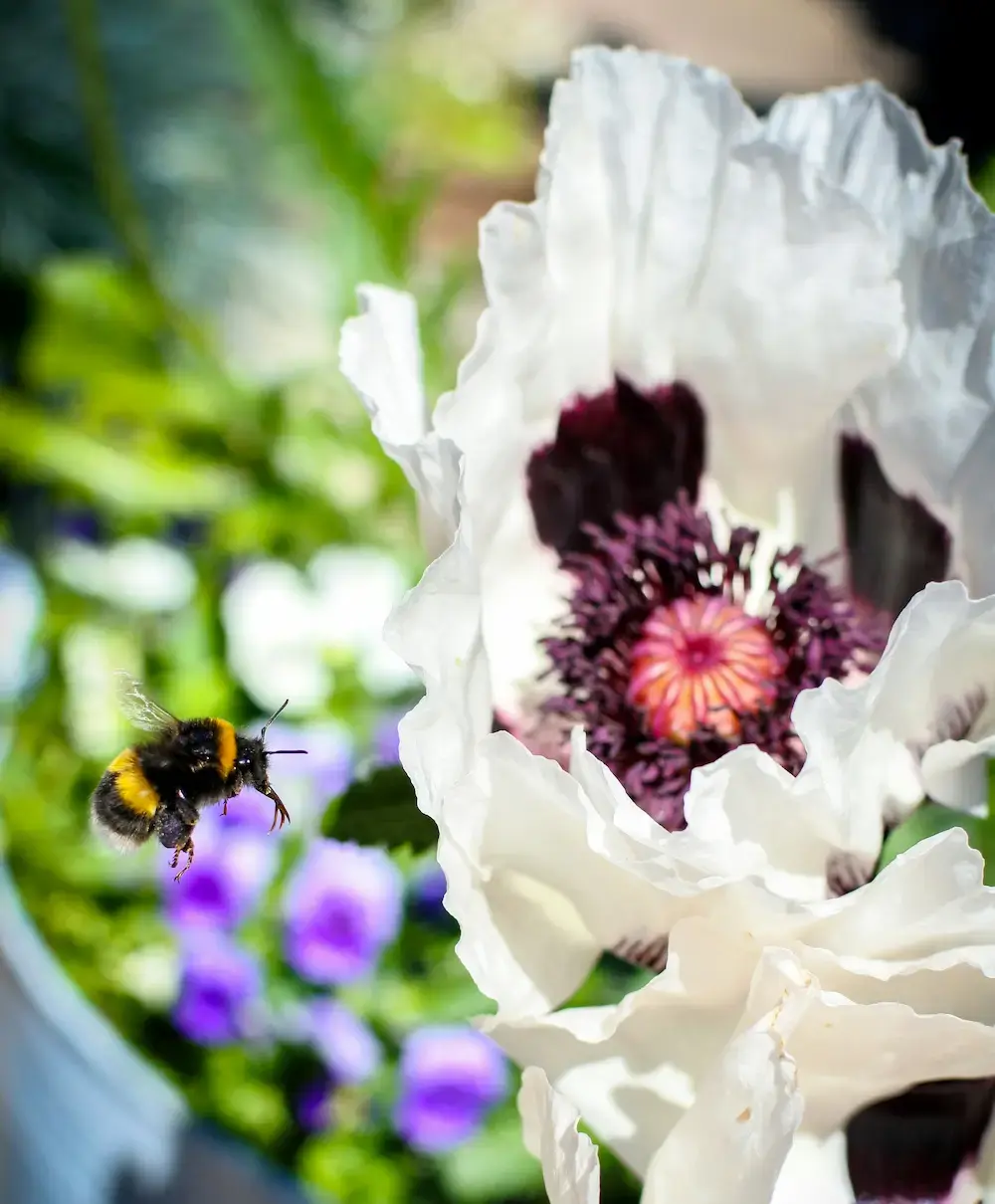

Bee Removal Cape Town · Owner-Led
Fast, safe bee and wasp removal across Cape Town. We handle swarms, hives in roofs and walls, and urgent callouts.
Available 24 hours · Most callouts same day
Owner-Led by Charles
Bee Bandits is built around Charles being directly involved in the work, not hidden behind a generic commercial front. That means calmer handling, more context on site, and clearer advice once the job is done.

What clients need most
Fast guidance when the situation feels urgent.
Clear explanation before any removal starts.
Respect for bees, animals, and the property.
Winter season in Cape Town
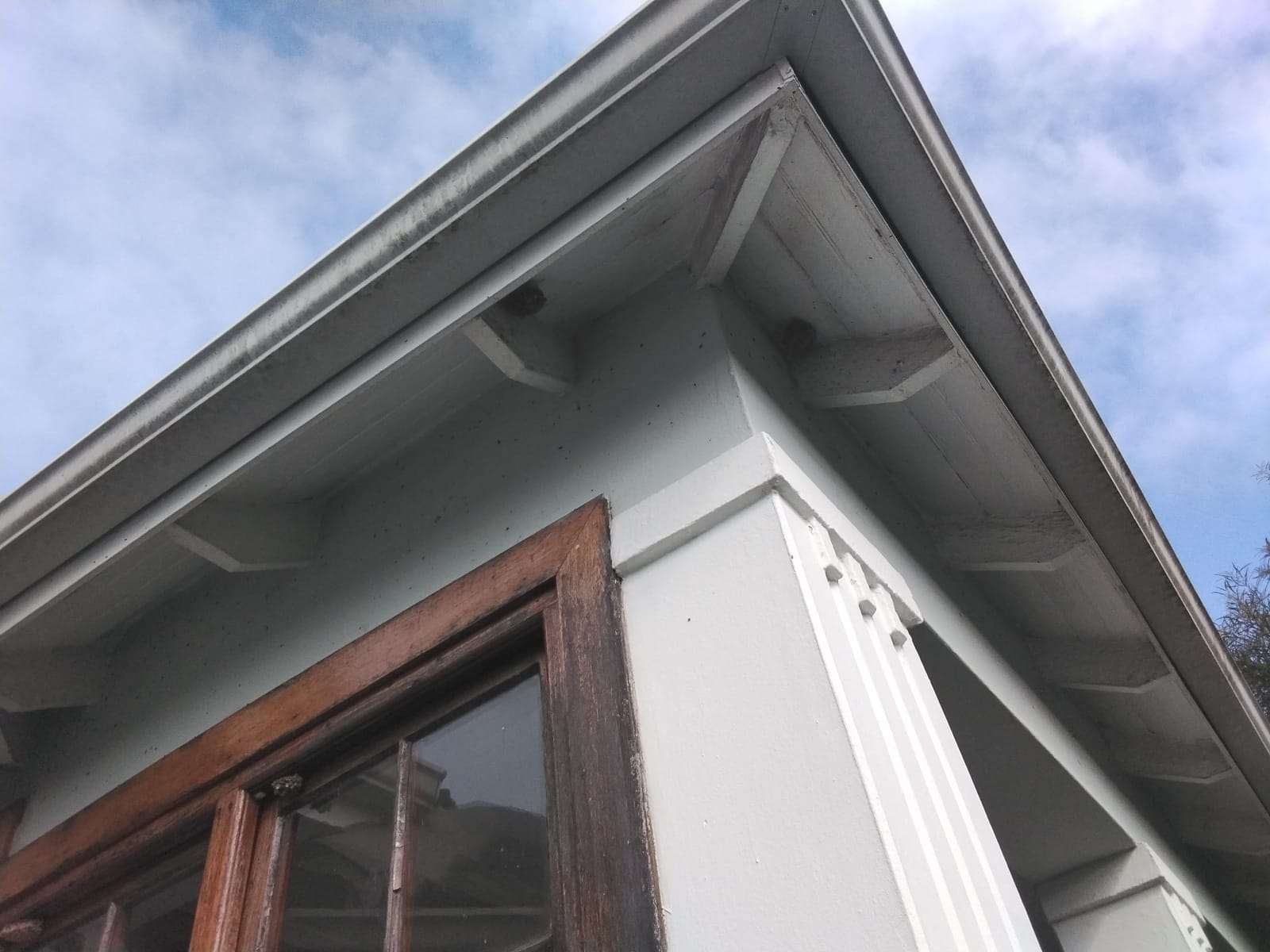
Cape Town winters bring German wasp nests into warm roof spaces, attics, and fascia boards — often spotted while fixing winter leaks or clearing gutters. Charles handles winter wasp removal and attic bee relocations across the Southern Suburbs and the wider Western Cape.
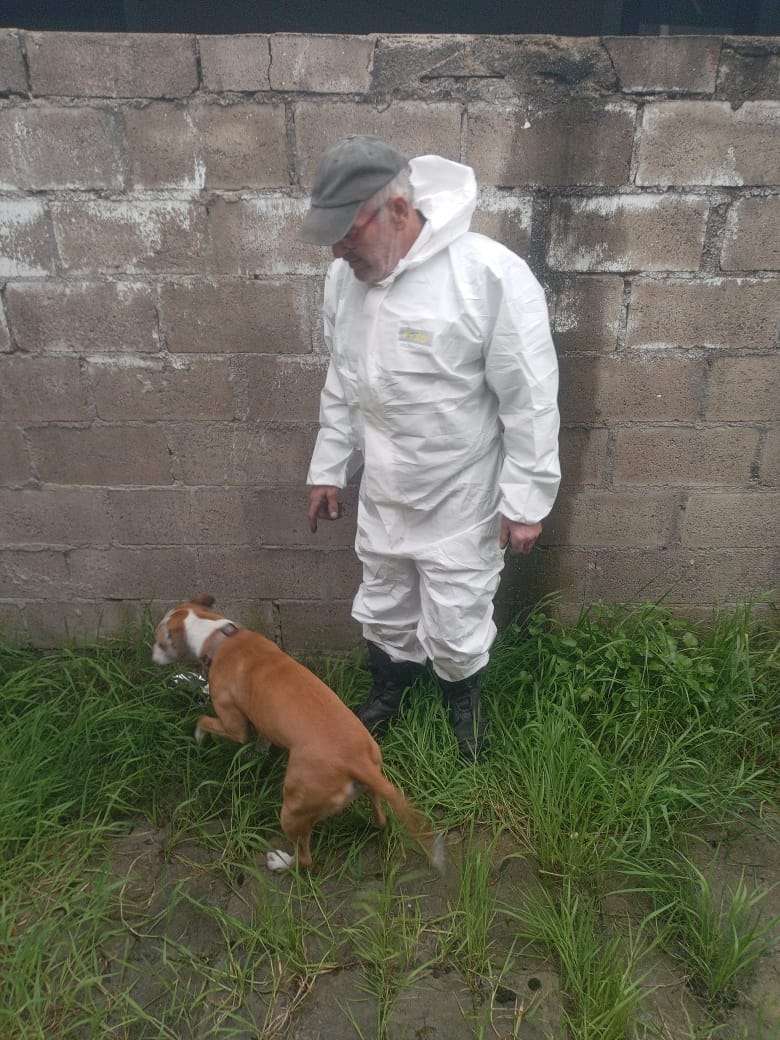
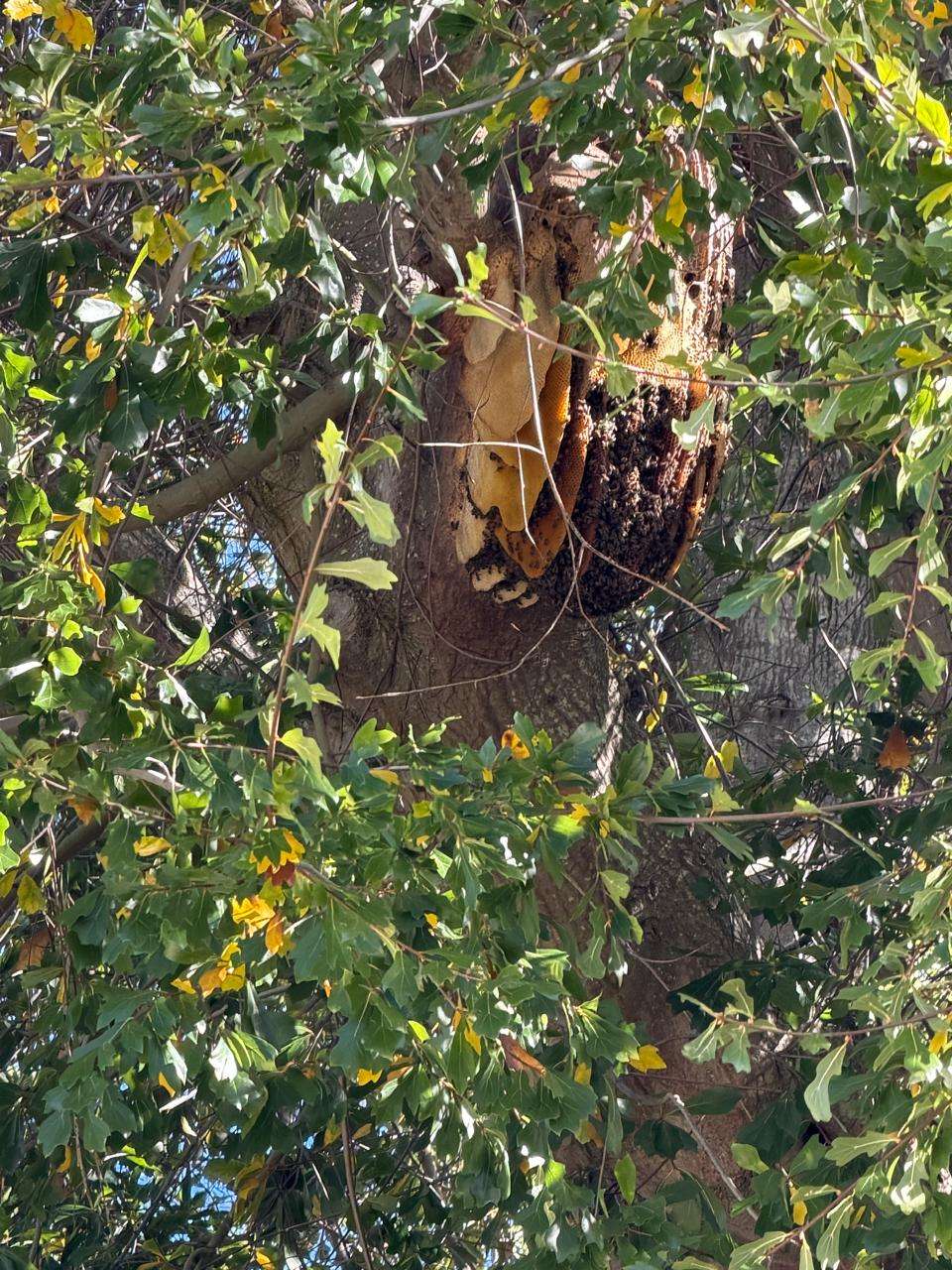
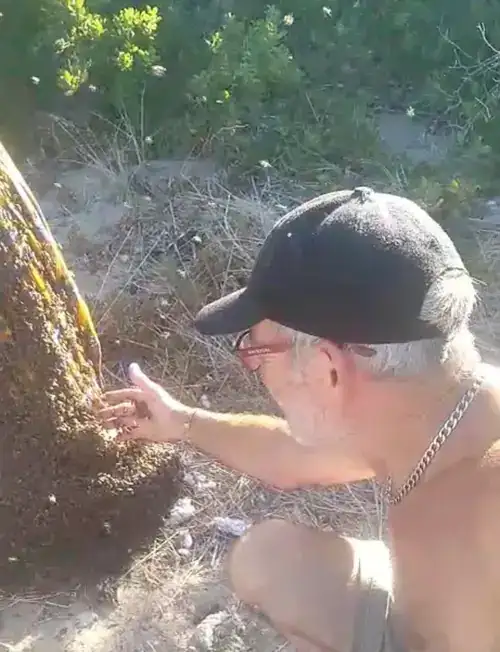
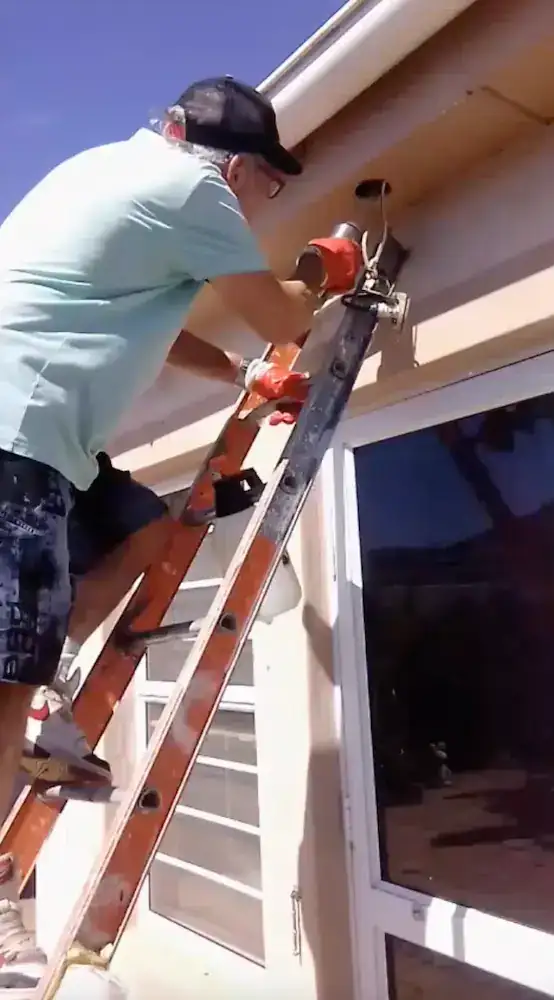
Charles and team at work
A quick look at the kind of jobs Bee Bandits handles across Tokai, Cape Town, and the wider Western Cape.

Why Bee Bandits
Bee Bandits focuses on what matters most: a steady response, humane bee handling, and practical removal and relocation work for real homes and buildings.
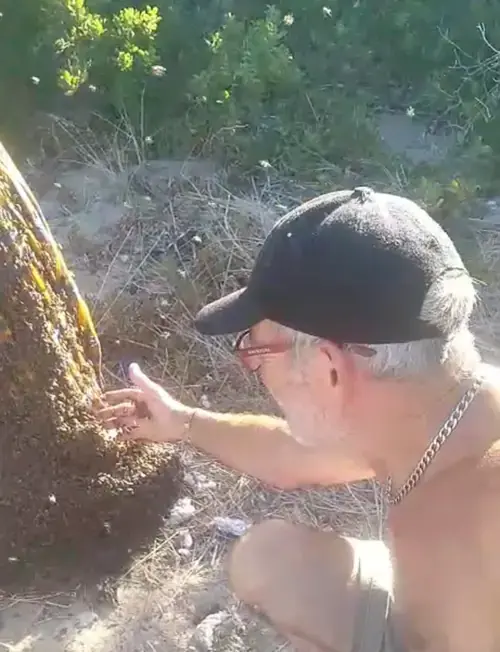
You deal directly with Charles for assessment, removal planning, and on-site follow-through.
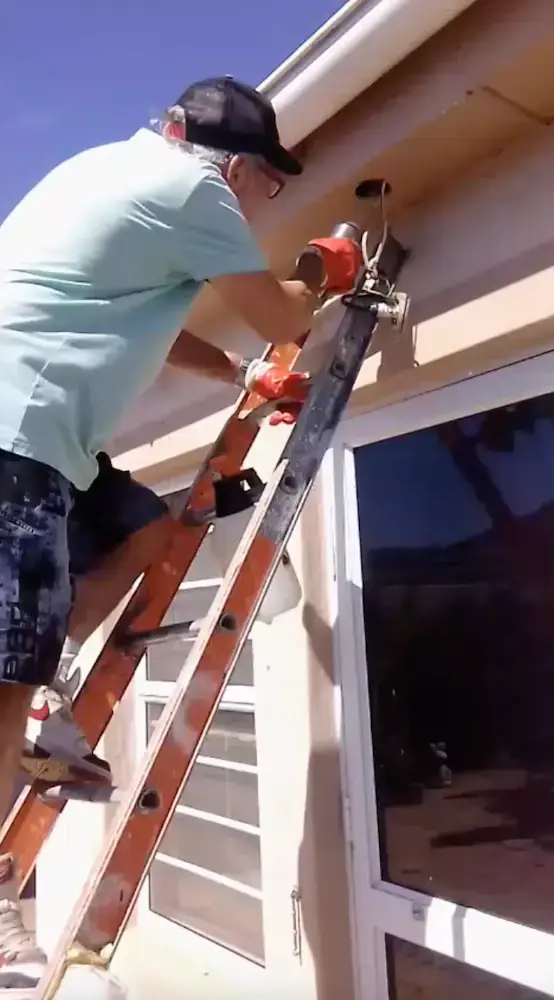
Charles holds a beekeeper licence, bringing formal training and responsible practice to every honeybee job.
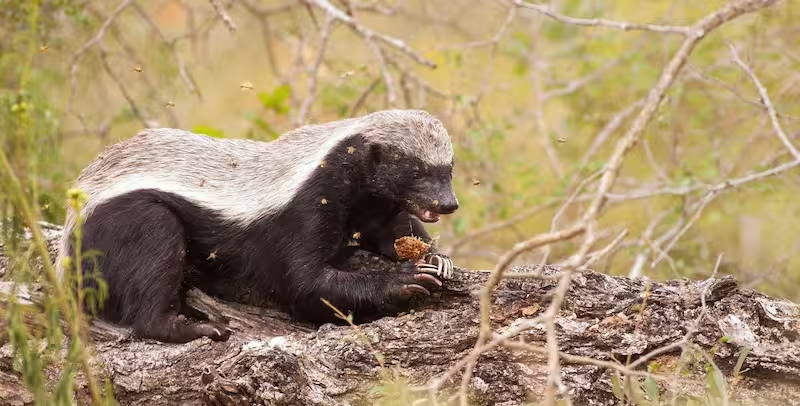
Honeybees are relocated to a safer habitat. Charles is badger-friendly and handles every job with the wider environment in mind.
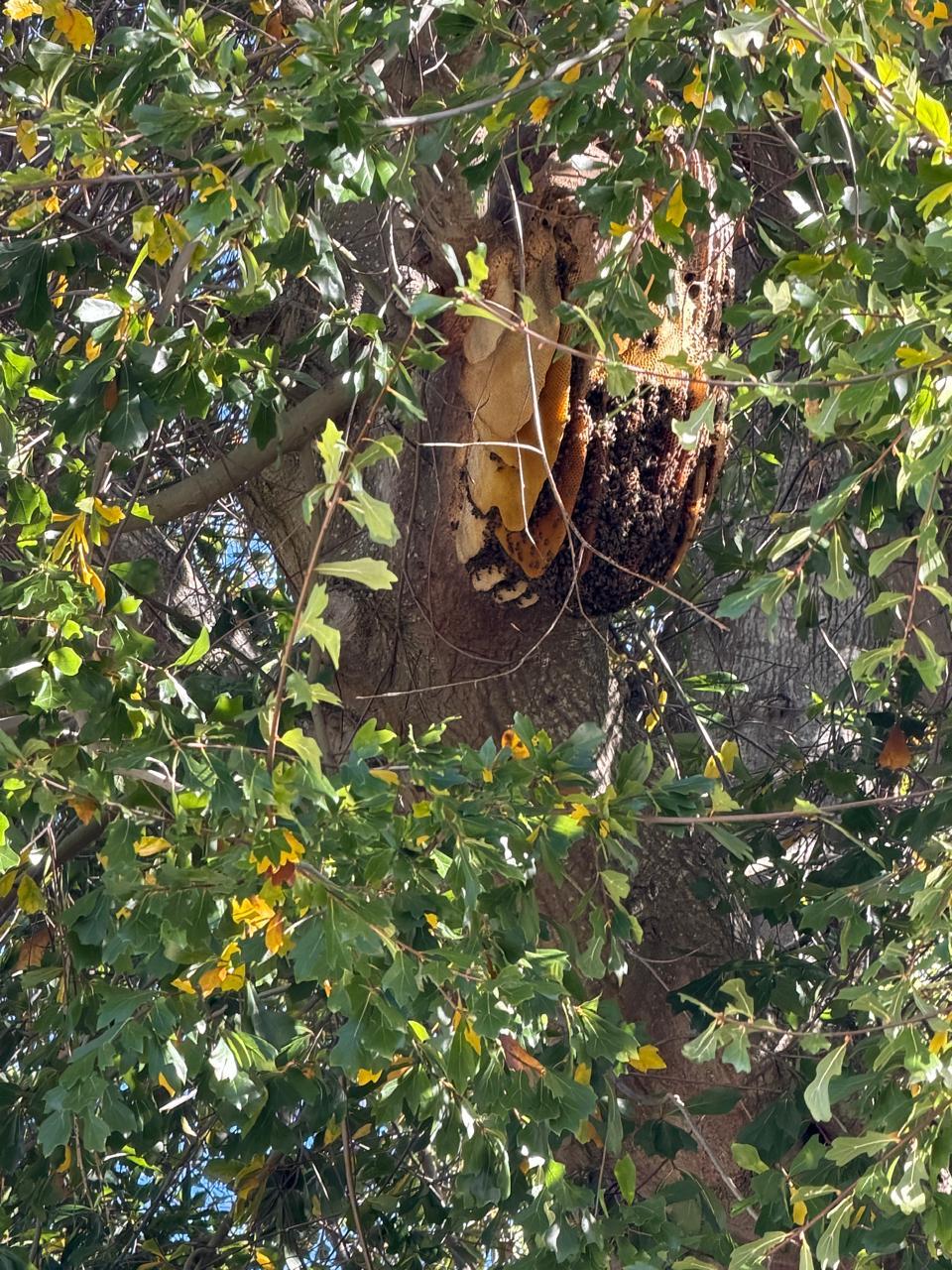
Walls, roofs, attics, eaves, and other difficult spaces are handled with a calm, careful approach.
Service Areas
We handle bee and wasp removal across Cape Town and the Southern Suburbs, including Tokai, Constantia, Newlands, Claremont, Rondebosch, Kenilworth, Wynberg, and Hout Bay.
If you are elsewhere in the Western Cape, get in touch with photos or a quick description of the job and Charles can advise on coverage and urgency.
FAQ
Never. We prioritize live removal and relocation for honeybees with as little stress to the bees as possible.
Yes. Honeybee colonies are relocated into a proper hive and kept in a temporary apiary where they are fed and cared for until they are strong enough to thrive. Healthy colonies are then rehomed with beekeepers who are looking to increase their hive count — so the bees continue doing what they do best.
Unfortunately, yes. There are operators who advertise low-cost bee removal and then simply dump the colony, spray the bees with insecticide, or leave them to die. This is bad for the bees, bad for the ecosystem, and often leaves the problem unresolved. If someone quotes very cheaply and cannot explain where the bees go after removal, treat that as a red flag. Bee Bandits is transparent about the full process from removal through to rehoming.
Colonies inside structures usually require more than simple removal of visible bees. Proper service may also include comb removal and cleanup to help prevent lingering problems.
Response time depends on location, workload, and urgency. Encourage customers to call or send photos for the fastest assessment.
Not always. If a colony has settled somewhere out of the way and is not causing a problem, leaving them alone is often the right call. Bees are losing natural habitat at a rapid rate and are increasingly making their homes in urban areas — roofs, walls, and garden structures offer the shelter and warmth they can no longer easily find elsewhere. Removal is worth considering when a colony is in a high-traffic area, when the bees are becoming defensive or aggressive, or when their location poses a genuine risk to people or the structure. Charles can assess the situation and give an honest recommendation either way.
Yes. Bee Bandits also handles wasp nest removal, with the approach depending on nest location, activity, and safe access to the site.
What We Handle
From a swarm in the garden to a hive in the roof space, Bee Bandits keeps the explanation and the removal plan straightforward.
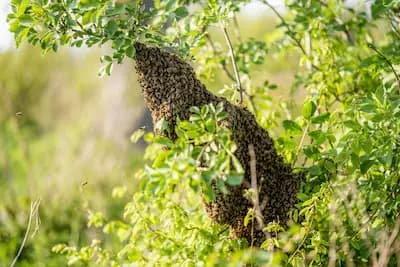
Fast response for bees gathered on trees, fences, walls, and other accessible outdoor areas.
Learn more about Bee swarms and exposed clusters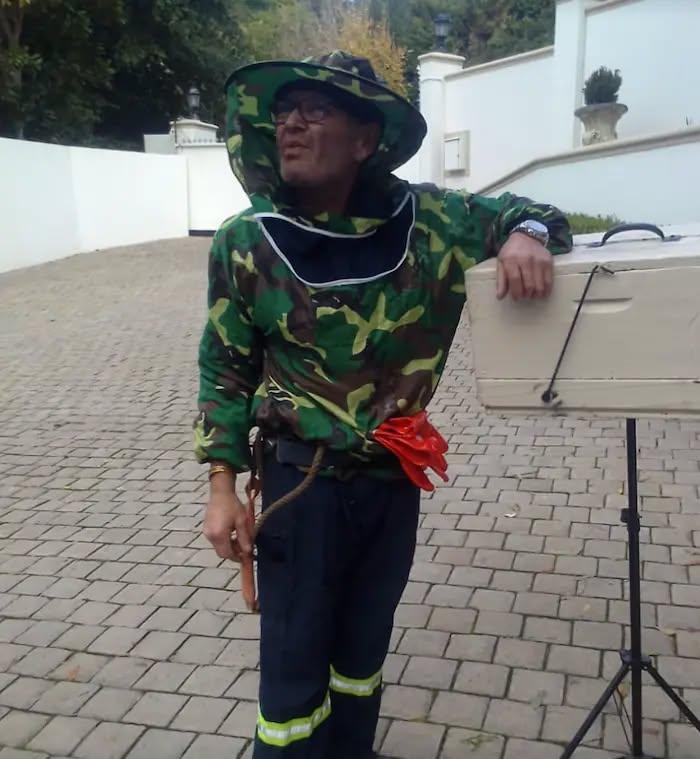
Established colonies in walls, roofs, chimneys, attics, and outbuildings, with removal planning based on access.
Learn more about Hives inside structures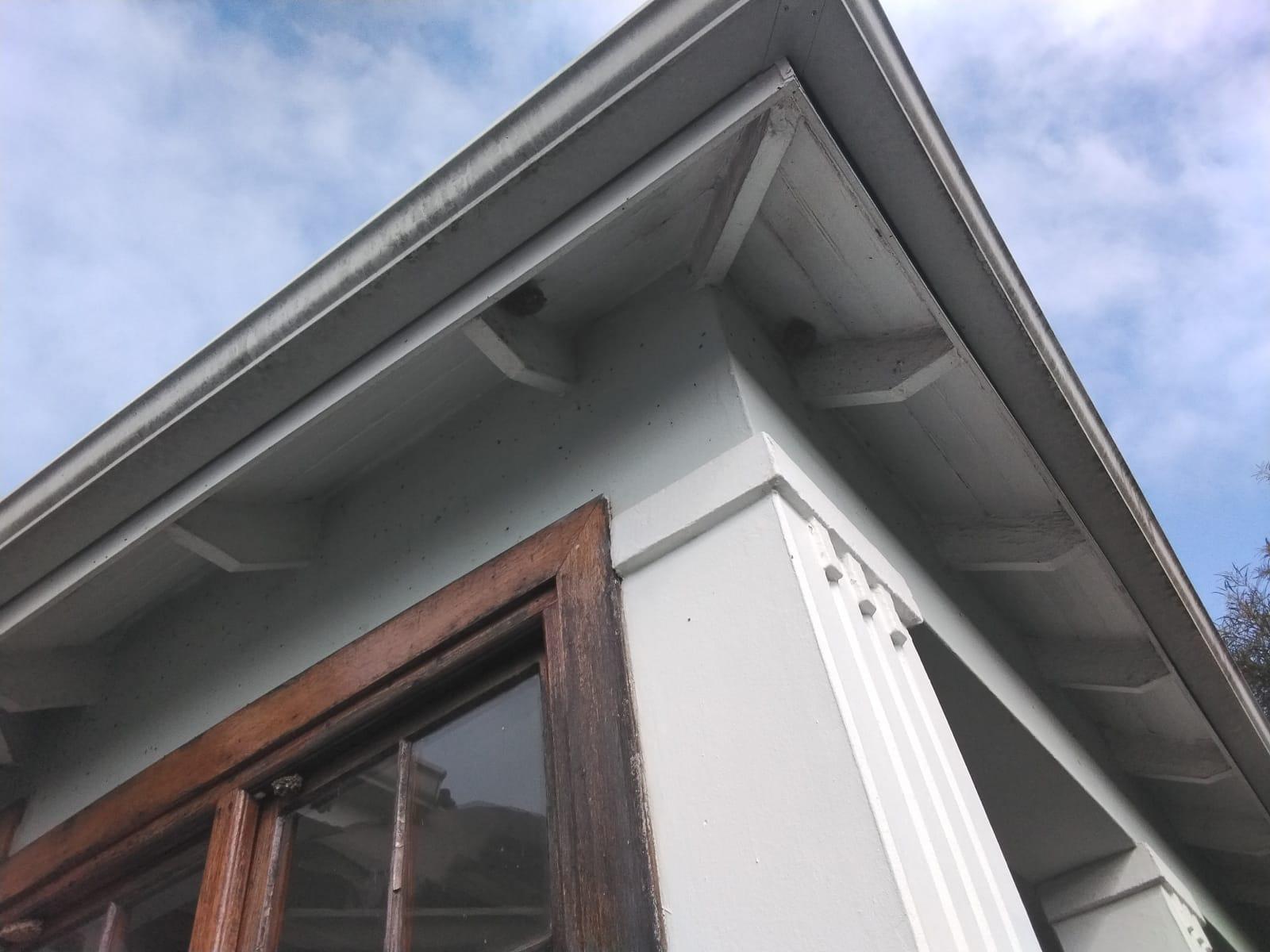
Practical removal of wasp activity around eaves, rooflines, gardens, wall cavities, and entrances.
Learn more about Wasp nest removal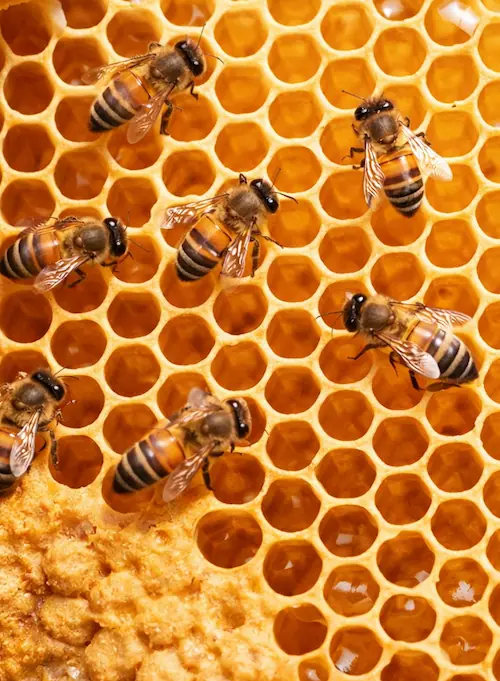
Comb, residue, and follow-up guidance to reduce odors, staining, pests, and repeat activity.
Learn more about Comb cleanup and preventionHow It Works
Charles assesses the situation first, explains the safest route, and keeps the process practical from start to finish.
The fastest way to assess urgency is usually a quick call, WhatsApp message, or a few clear photos.
Species, location, access, and safety are checked first so the removal approach makes sense for the job.
Once the bees or wasps are handled, you get practical guidance on cleanup, sealing, and preventing a repeat issue.
A word on bees
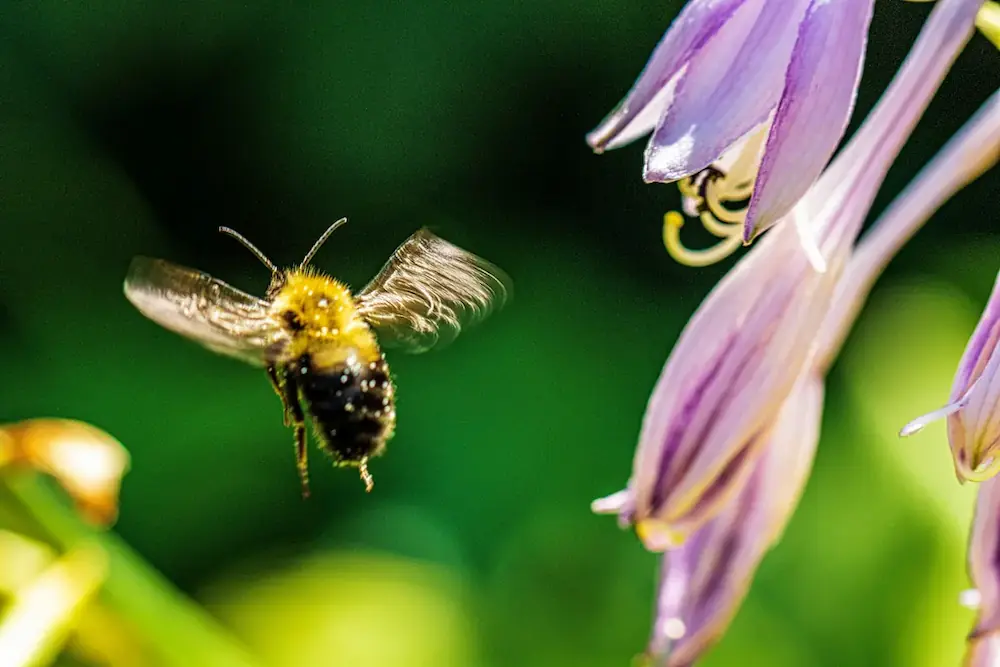
Bees pollinate roughly one third of the world's food supply — fruits, vegetables, nuts, and the crops that feed livestock. Without them, most gardens and food chains fall apart quietly.
That's why every honeybee removal at Bee Bandits starts with relocation in mind. The colony survives. The bees go somewhere safer. The job gets done with as little disruption as possible.
“Aerodynamically, the bumblebee shouldn’t be able to fly, but the bumblebee doesn’t know it, so it goes on flying anyway.”
Mary Kay Ash