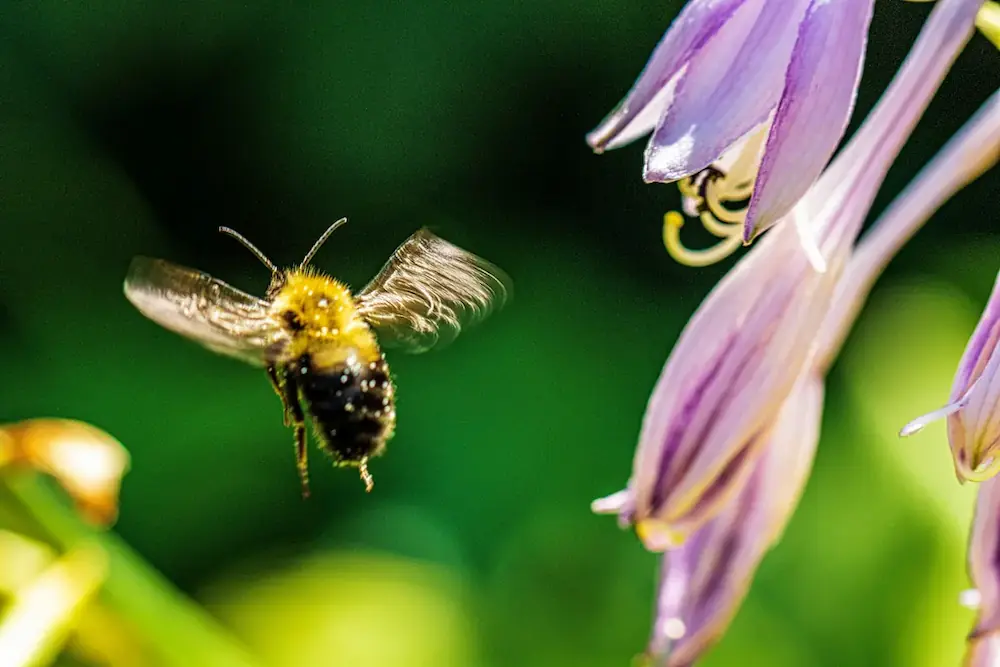
Cape Town has a Mediterranean climate — warm, dry summers and cool, wet winters. Most of the region’s fynbos and garden plants flower in spring and summer, which means the months from May through August can leave local honeybee colonies with very little to forage on.
A colony that cannot find enough nectar and pollen will draw down its honey stores. If those stores run out before the spring flush arrives, the colony can starve. Planting winter-flowering species in your garden is one of the most practical things a homeowner can do to support local bee populations — and it costs very little.
What bees need from flowers
Bees collect two things from flowers: nectar, which they convert into honey for energy, and pollen, which is their main source of protein and is essential for raising new brood. The best winter plants for bees offer both, are accessible to honeybees (open or shallow flowers work better than deep tubular ones), and flower reliably through the cooler months rather than just briefly.